Rooftop Solar Arrays
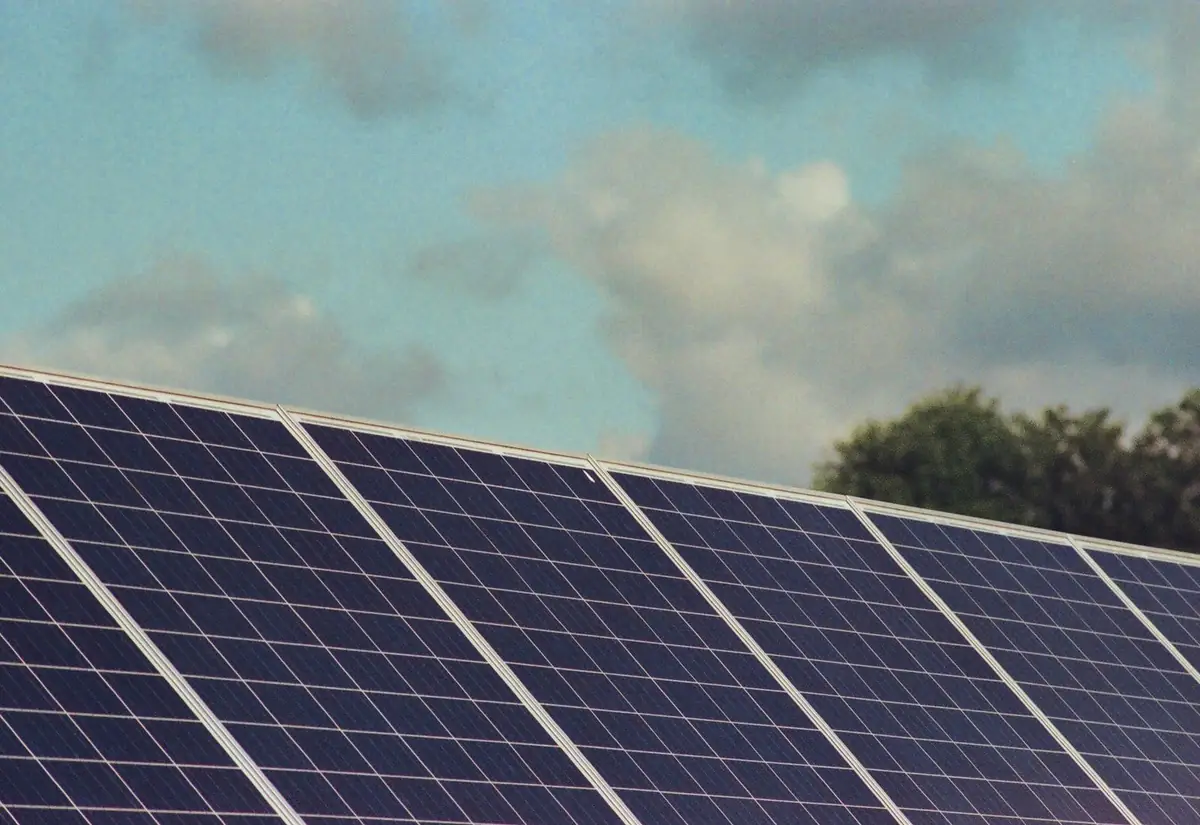
Tier-1 monocrystalline panels on flashed, penetration-sealed rails with microinverters, so one shaded panel never drags the rest of the array down with it.
$2.55 – $3.10 per watt installed30% federal credit still available on 2026 installs
Design-and-install solar for homes across the county — sized against your real meter data, installed by our own crews, and modelled with the assumptions written down where you can check them.
We design, permit, install and service everything below with our own crews and our own electricians. No lead brokers, no subcontracted roofs.
Tier-1 monocrystalline panels on flashed, penetration-sealed rails with microinverters, so one shaded panel never drags the rest of the array down with it.
$2.55 – $3.10 per watt installed13.5 kWh lithium units that carry the fridge, the well pump and the router through an outage, and shave your peak-rate hours on the days there is no outage.
$11,400 – $19,800 per unitFor properties with land, a bad roof or heavy shade. Engineered ballast or driven-pier foundations, ideal tilt and azimuth, and no roof penetrations at all.
$3.05 – $3.70 per wattIf the roof has under ten years left, it gets replaced before the array goes on. We do the roof and the solar under one contract, so nobody blames anybody later.
$9,800 – $28,000Level 2 chargers, panel upgrades to 200A, and load management so you can add a charger without paying for a full service upgrade you do not need.
$1,150 – $4,600We take over arrays other companies abandoned — failed inverters, dead monitoring, string faults — and we monitor every system we own at panel level.
$185 diagnostic · creditedMost of the wait is other people — the city and the utility. Here is exactly what happens, and roughly when.
We pull twelve months of your real usage from the utility before designing anything. It takes one form and about a day.
A satellite and on-roof shade analysis, panel layout, and a production model with the assumptions written out where you can check them.
Structural letter, electrical permit and the utility application. Typically three to six weeks, and we do all of it.
One to three days on site for a residential array. Crews arrive at 7:30, and the roof is watertight every night before they leave.
City inspection, then permission to operate from the utility. Monitoring is live on your phone the day the system energises.
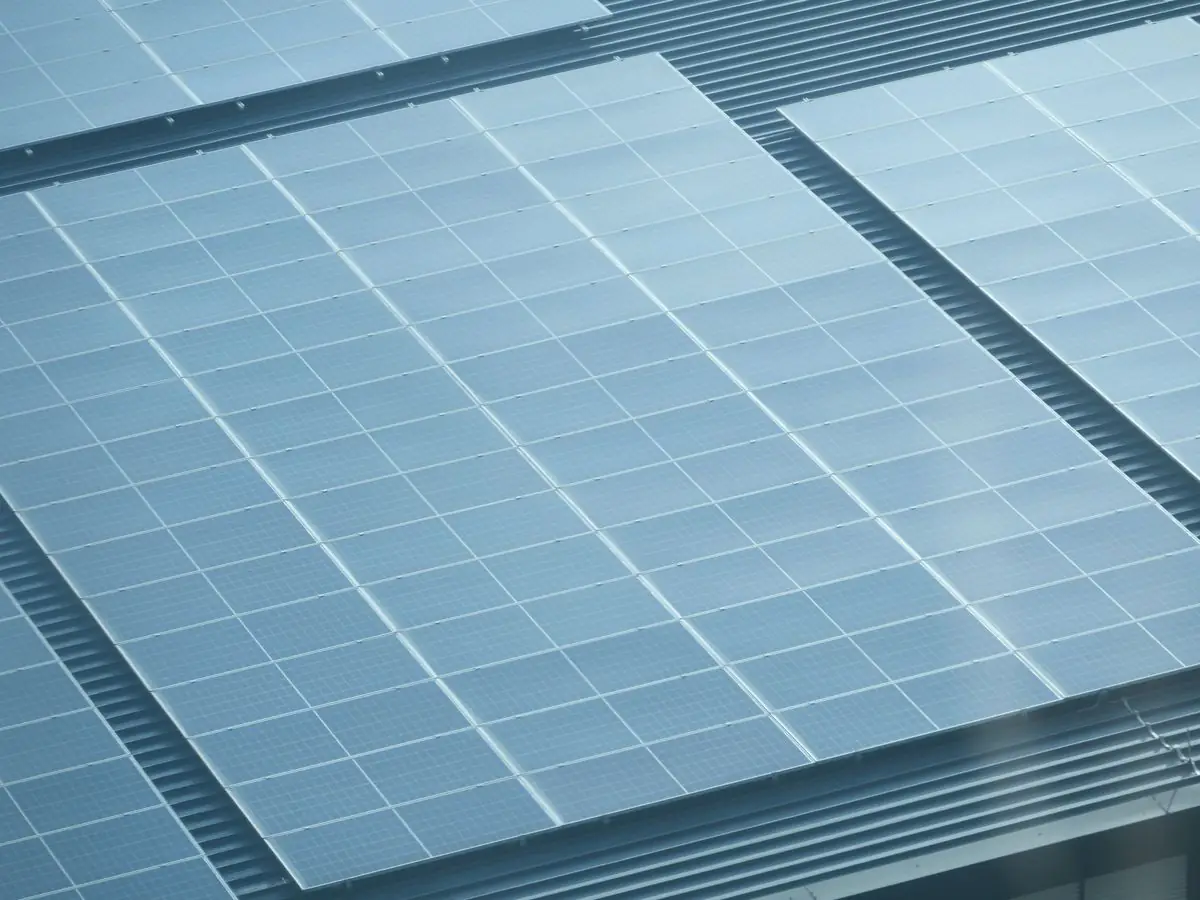
I left a national solar company in 2012 because the model was to sell the biggest array the roof would physically hold. Exported power is worth about a third of what you pay for imported power, so oversizing an array is a very profitable way to waste your money.
Meridian sizes every system against twelve months of your interval data. We publish the production model with our assumptions in it, we do not sell leases, and nobody on the design team works on commission. If your roof is wrong for solar, we will tell you and you will keep your Saturday.
Alina MoreauFounder & Lead Designer · NABCEP PV Installation Professional #0413-2087
Anyone can fill a roof with panels. We pull twelve months of interval data from the utility and build the array around what you actually use, because exported power is worth far less than power you never bought.
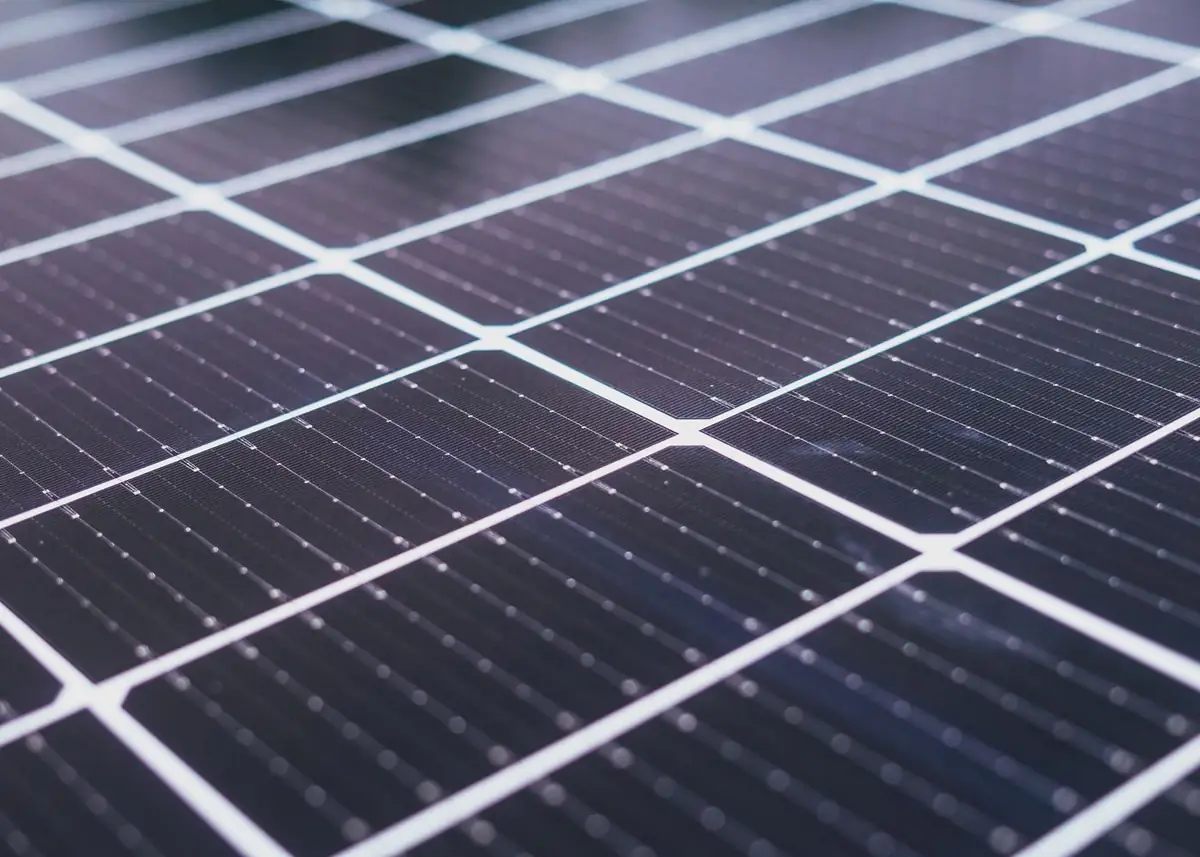
String inverters are cheaper and fail as one unit. Microinverters let us see and warranty every panel individually, and one shaded module stops dragging down the whole string.
No sales-only outfit subcontracting installation to whoever bid lowest that month. The people who design the array are the people who flash the penetrations.
Every mount is flashed and sealed, and we warranty the penetrations for twenty-five years — the same length as the panels. Leaks are the single biggest fear people have, and rightly so.
If your roof faces north, is heavily shaded, or your bill is under $90, we will tell you solar does not pay here. We turn down roughly one in six enquiries and we would rather do that than sell you a bad system.
We pull the permits, handle the utility interconnection application and hand your accountant the completed documentation for the 30% federal credit. You sign twice and that is it.
This is the same model our designers start from — annual usage derived from your bill, derated for aspect and shade, then twenty-five years of savings escalated at the utility’s own historic rate. Nothing is hidden behind an email form.
☀ AI Savings Calculator
The ideal aspect here — full production. Nothing casting shade between 9am and 3pm.
Book My Free Shade StudyBetween $2.55 and $3.10 per watt installed for a rooftop array, which puts a typical 9 kW system at roughly $23,000 to $28,000 before incentives. The 30% federal credit takes that to about $16,100 to $19,600. Ground mounts run higher per watt because of the foundations, and batteries are a separate $11,400 to $19,800 per unit. The calculator on this page will size a system to your bill and show the whole set of numbers.
You draw from the grid exactly as you do now — the system does not disconnect you from the utility unless you have a battery and a critical loads panel. Production on an overcast day is typically 10 to 25% of a clear day. What matters is the annual total, not any individual day, and our production model is built on twenty years of local irradiance data rather than a national average.
Not when they are flashed properly. Every mount goes through a flashing that integrates with the shingle course and is sealed underneath, and we warranty those penetrations for twenty-five years. What we will not do is put an array on a roof with under ten years of life left — the labour to remove and reinstall it later costs more than replacing the roof now, which is why we offer both under one contract.
For outage protection, often yes — especially if you are on a well, have medical equipment, or work from home. Purely as a financial play it depends on your rate plan: if your utility has time-of-use pricing with a big evening peak, a battery pays. If you are on a flat rate with full retail net metering, it usually does not, and we will say so.
An owned system transfers with the property and typically adds value; appraisers in this county have been treating it as a capital improvement rather than a fixture for several years now. Leased systems are the awkward ones — the lease has to be assumed by the buyer or bought out at closing, which is one of several reasons we do not sell leases or power purchase agreements at all.
Usually eight to fourteen weeks from signing to switch-on, and most of that is waiting on other people. Design and the shade study take about a week, permitting three to six weeks, installation one to three days, then city inspection and utility permission to operate, which is another two to four weeks. We give you a written milestone schedule and text you at each stage.
A designer runs a satellite shade analysis, pulls your interval data with your permission, and sends back a full production model and a fixed price. No visit required unless you want one.